
Lancaster Furnace Repairs That Prevent Winter Meltdowns
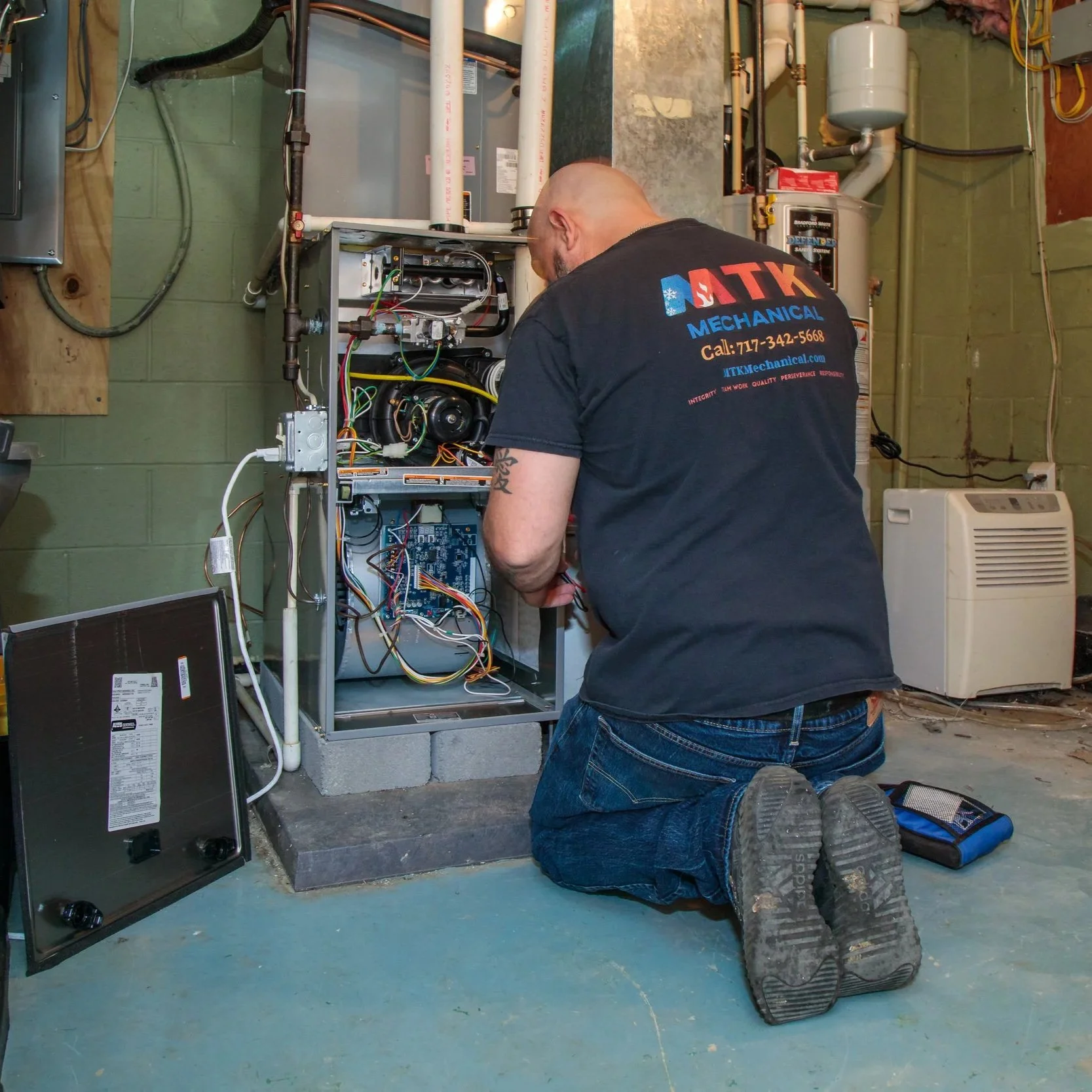
A dependable heating system makes long winter months far more pleasant, but even a well-cared-for furnace can fall out of rhythm after working overtime.
Lancaster winters like to roll in with a chilly attitude, and nothing tests a homeowner’s patience faster than a furnace that suddenly throws a tantrum during the coldest stretch of the season. A dependable heating system makes long winter months far more pleasant, but even a well-cared-for furnace can fall out of rhythm after working overtime. When that shift happens, professional furnace repair becomes the friendly rescue mission that brings warmth, stability, and sanity back to Lancaster homes before the next cold front creeps in.
Understanding Furnace Wear
A furnace experiences constant temperature swings, long runtime, and mechanical stress throughout winter. Metal components contract and expand, bearings lose lubrication, motors collect dust, and burners develop soot buildup. Each part handles those challenges differently, and symptoms begin to appear long before the furnace reaches a full breakdown. A repair technician examines those warning signs closely, checks components under load, and determines which parts have reached their limits. Wear may be natural, but targeted furnace repair restores performance before the system spirals into bigger trouble.
Recognizing Early Symptoms Of Furnace Trouble
Small changes inside a furnace create unmistakable clues. Homeowners often notice uneven heating from room to room or a furnace that struggles to maintain a steady temperature. Higher utility bills sneak in even though no one has adjusted the thermostat. Pilot flames change color. The furnace switches on and off more frequently than usual. Strange noises begin to echo through the ducts. Those symptoms signal growing inefficiencies and developing mechanical issues that require prompt repair. A quick appointment saves the home from a cold night and protects the system from avoidable strain.
Professional Diagnostics That Reveal Hidden Problems
A professional diagnostic assessment acts like a health checkup for the heating system. Technicians evaluate airflow, inspect heat exchangers, measure ignition performance, verify safety controls, test wiring stability, and examine duct conditions. Modern diagnostic tools help technicians identify inconsistencies that homeowners cannot see. Data from those tests creates a detailed repair plan. Once weak points become clear, repairs move forward efficiently. Accurate diagnostics improve reliability, restore proper heat distribution, and protect the home from future winter surprises.
Restoring Safe And Consistent Heating
A furnace must operate safely to provide dependable comfort. Any lapse in fuel delivery, ignition stability, or ventilation affects the home’s warmth and safety. A repair technician clears blockages, removes soot buildup, checks electrical connections, recalibrates the ignition timing, and corrects airflow within the system. Once repairs are complete, the furnace provides heat without sputtering, short cycling, or hesitating during startup. Steady warmth feels far more enjoyable during Lancaster’s coldest months, and homeowners avoid the stress of waiting for a furnace to cooperate.
Improving Indoor Air Quality During Winter
A neglected furnace affects indoor air quality more than many people realize. Dust collects inside the blower assembly, grime coats burners, and aging components push airborne debris through the home. A professional furnace repair includes cleaning, adjustments, and component replacements that directly improve air circulation. The home benefits from cleaner air, fewer odors, and reduced irritants floating through vents. Improved indoor air quality supports better comfort during winter when windows remain closed and outdoor air feels harsher.
Boosting Furnace Efficiency And Reducing Winter Bills
A tired furnace uses far more energy than a well-tuned, well-maintained one. Worn motors require more power, dirty burners waste fuel, and weak airflow forces the furnace to run longer. After professional repairs, the system experiences smoother combustion, cleaner airflow, and more stable operation. Homeowners often see a noticeable drop in energy use after a repair visit. Lower utility bills bring welcome relief during a season when heating needs run high. Efficient performance also supports a more comfortable indoor environment without constant thermostat adjustments.
Extending The Life Of Lancaster Heating Systems
Furnaces last significantly longer when repairs are handled promptly. A technician who replaces deteriorated parts, corrects airflow blockages, lubricates moving components, and monitors electrical performance prevents long-term damage from developing. Winter temperatures place stress on every part of the system. A proactive repair approach strengthens the furnace’s ability to withstand that strain year after year. Homeowners benefit from fewer emergency breakdowns and delay the cost of replacement by providing the furnace with the support it needs to stay in reliable working order.
Repairing Ignition Failures Before Winter Nights Get Colder
Ignition problems leave furnaces unable to deliver heat when homeowners need it most. A faulty igniter, malfunctioning flame sensor, or dirty burner assembly prevents proper ignition. Clicking sounds or failed startup attempts signal that the system needs immediate attention. A technician cleans or replaces affected components and restores the ignition sequence so the furnace responds quickly when temperatures drop. A stable ignition system prevents long delays between heating cycles and stops the furnace from giving up on cold nights.
Fixing Blower Motor Malfunctions
A blower motor creates the airflow that distributes heat throughout the home. When it weakens or stops functioning properly, airflow diminishes and comfort plummets. Homeowners notice loud rattling, grinding noises, or a faint breeze instead of steady warmth. A professional technician examines the motor, tests the capacitor, checks electrical connections, and replaces components that have reached the end of their lifespan. After repairs, the blower moves air evenly and quietly, improving heat circulation in every room.
Addressing Thermostat Communication Problems
A malfunctioning thermostat creates confusion for both homeowners and furnaces. Inaccurate readings, miscommunication between wires, and sensor failures lead to inconsistent heat cycles. A repair technician checks thermostat wiring, recalibrates internal sensors, and installs replacements when needed. A properly functioning thermostat gives the furnace accurate instructions, which produce balanced heating and fewer fluctuations in comfort. Better communication between the thermostat and furnace prevents unnecessary strain.
Restoring Airflow By Clearing Restrictions
Restricted airflow sends furnace performance plummeting. Dust buildup, clogged filters, obstructed ducts, and closed vents cause the system to overheat or cycle erratically. A technician clears blockages, seals duct leaks, and restores proper air movement. Once airflow stabilizes, the furnace stops fighting against resistance and begins heating more effectively. Improved airflow also reduces the risk of overheating and safety switches activating at inconvenient times.
Addressing Fuel Delivery Problems
Gas furnaces rely on consistent fuel delivery to operate safely and efficiently. Clogged lines, valve issues, or pressure inconsistencies lead to poor combustion and weak heat output. A trained technician evaluates the fuel system and resolves issues before they escalate. By restoring smooth fuel delivery, the furnace burns cleaner and produces stronger, more stable heat that benefits the entire home.
Protecting Homes From Carbon Monoxide Risks
Furnace repairs include safety checks that protect the home from potential hazards. A cracked heat exchanger or malfunctioning exhaust system can increase carbon monoxide exposure. A technician carefully inspects those components, identifies weaknesses, and makes repairs to restore safe operation. Homeowners gain peace of mind knowing their heating system operates with safety as a top priority.
Supporting Lancaster Homes With Preventive Repair Strategies
Preventive repair strategies help homeowners avoid emergency breakdowns by addressing small issues early. A technician monitors wear patterns, cleans components before buildup becomes severe, and replaces aging parts before they fail. Winter brings unpredictable temperature swings, and preventive repair provides the stability needed to keep comfort steady even during colder nights. A well-maintained furnace stands strong through the entire season without leaving homeowners scrambling for emergency service.
Strengthening Long-Term Furnace Reliability
A reliable furnace creates a more comfortable home life during winter. Professional repair supports that reliability by keeping components aligned, improving combustion consistency, stabilizing airflow, and reducing strain on the system. Every repair contributes to a stronger foundation for long-term performance. The furnace responds more predictably, operates more quietly, and delivers comfort without requiring constant attention.
Choosing A Skilled Furnace Repair Team
Lancaster homeowners appreciate technicians who understand local weather demands and how cold winters can put extra pressure on heating systems. A dependable furnace repair company communicates clearly, arrives prepared, and completes repairs with care. Skilled technicians restore comfort with minimal disruption and straightforwardly explain findings so homeowners feel confident in their heating system again. Choosing the right team supports safer operation, stronger winter performance, and a warmer home throughout the season.
FAQs
How often should furnace repair services be scheduled in Lancaster, PA?
Annual professional maintenance combined with prompt repair appointments during the winter helps keep heating systems stable and dependable.
What are the most common signs that furnace repair is needed?
Rising utility bills, uneven heat, unusual noises, short cycling, and unpleasant smells suggest the furnace needs professional attention.
Can furnace repair improve indoor air quality?
Correcting airflow issues and cleaning internal components often reduces dust, odors, and airborne debris circulating through the home.
Why does my furnace keep shutting off unexpectedly?
Problems with airflow, overheating sensors, ignition components, or electrical connections can cause frequent shutdowns and require a technician to diagnose the cause.
Is it better to repair or replace a furnace during winter?
Repair works well when the system continues to operate safely and efficiently. A technician offers guidance based on the furnace’s age, performance, and overall condition.
