
Cracking The Comfort Code With Smart Zoning Systems In Lancaster
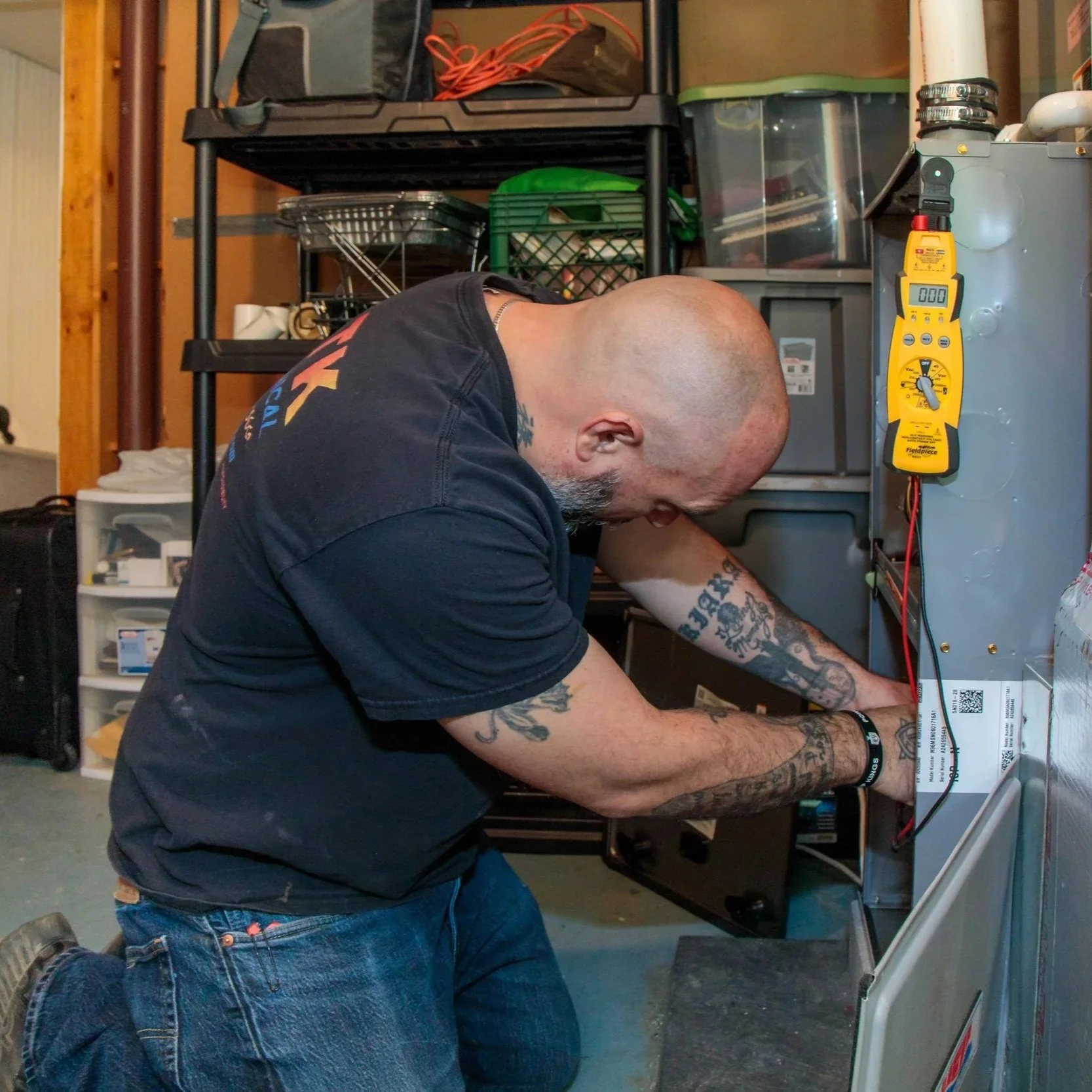
A zoning system helps Lancaster homeowners manage energy costs by conditioning only the rooms in use.
Understanding How Zoning Systems Transform Everyday Comfort
A smart zoning system brings room-by-room control to Lancaster homes that struggle with temperature inconsistencies. A hallway thermostat cannot reflect how each room feels, especially when sunlight, insulation, and airflow differ across the home.
A professional zoning design evaluates duct placement, room size, and the natural circulation of air. Technicians determine which rooms behave differently and create zones that match real living patterns. Dampers installed inside the ductwork help regulate airflow precisely.
A zoning system reacts to Lancaster’s shifting temperatures faster than a single thermostat ever could. Mild mornings, warm afternoons, and cool evenings no longer create comfort swings. Each zone adjusts based on what that specific area needs at the moment.
Personalized Comfort That Fits Every Room
Many families experience constant disagreements about temperature settings. A zoning system helps everyone enjoy a personalized comfort level without forcing one setting for the entire home.
A professional evaluation identifies problem rooms that never feel right. Some rooms warm too quickly. Others cool too slowly. Zoning addresses those differences by giving each space its own thermostat or sensor.
Sun exposure often creates uneven temperatures. A room facing direct sunlight behaves differently from a shaded bedroom. A zoning system accounts for those natural variations and keeps both rooms comfortable without overworking the HVAC unit.
Improved comfort also supports better sleep, more productive work areas, and cozier living spaces. Every room becomes usable instead of a hot spot or cold corner that residents try to avoid.
Energy Savings Through Smarter Airflow
A zoning system helps Lancaster homeowners manage energy costs by conditioning only the rooms in use. A single thermostat continues heating or cooling even when large areas of the home sit empty.
Zoning allows dampers to open only for the rooms calling for conditioned air. Other areas remain untouched until someone uses them again. Energy use drops because the system no longer treats the entire home during every cycle.
Reduced energy waste also means less strain on the HVAC equipment. Shorter, targeted cycles support better long-term performance. Lancaster homes with zoning often require fewer repairs and offer more stable seasonal comfort.
Better Indoor Air Quality Across Multiple Zones
Indoor air quality benefits from zoning because airflow becomes more controlled. Large temperature swings create humidity problems, and zoning helps reduce those swings.
Rooms with stagnant air, frequent dust buildup, or humidity issues receive more targeted conditioning. Zoning supports cleaner air circulation that reaches areas typically neglected by single thermostat systems.
Lancaster homeowners often notice fewer stuffy rooms and more consistent airflow. Filters work more effectively because the system operates in shorter, more efficient cycles.
Why Professional Installation Matters For Zoning Systems
A zoning system depends on proper design, calibration, and airflow balance. Professional installation prevents problems such as noisy ducts, pressure imbalance, and uneven temperature zones.
Technicians confirm that the HVAC system supports zoning and evaluate whether upgrades or adjustments are needed. Dampers, thermostats, and sensors must communicate accurately for the entire system to work smoothly.
A homeowner gains predictable comfort only when the zoning system is designed with the home’s unique airflow patterns in mind. Professional services create that stability.
How Zoning Supports Lancaster’s Year-Round Climate Needs
Lancaster weather can shift noticeably throughout the day. A zoning system adapts quickly and provides comfort without constant manual thermostat adjustments.
Busy rooms receive cooling or heating when activity rises. Less-used rooms remain neutral until needed. Seasonal temperature swings feel less dramatic when each zone adjusts independently.
Families spend more time in comfortable spaces because the home responds to real-time conditions instead of a single thermostat reading.
How Zoning Systems Help Correct Common Comfort Misconceptions
Many homeowners believe uneven temperatures require major HVAC replacement. A zoning system fixes many of those issues without installing a new unit.
Another misconception suggests that closing vents provides the same effect. Closing vents creates pressure problems. Zoning handles airflow safely through proper damper control.
Smaller homes also benefit from zoning. Hot pockets and cold corners can appear anywhere, regardless of square footage. Zoning fine-tunes comfort for homes of all sizes in Lancaster.
The Role Of Thermostats And Sensors In Room By Room Control
Thermostats and sensors help zoning systems read the actual temperature of each room. Accurate readings guide the dampers so airflow moves exactly where needed.
Technicians choose thermostat locations carefully. Sunlight, drafts, or high walls can distort temperature data. Correct placement leads to better control and fewer comfort fluctuations.
Sensors respond quickly when a room shifts slightly warmer or cooler. Lancaster’s weather often triggers small swings, and sensors help the system react before residents notice discomfort.
Maintenance Habits That Keep Zoning Systems Working Smoothly
A zoning system operates best with periodic professional maintenance. Technicians test dampers, inspect wiring, and verify thermostat accuracy.
Seasonal checks catch minor issues before they cause comfort problems. Lancaster homeowners benefit from consistent performance during both hot summers and cool winters.
Filter changes, cleaning, and airflow inspections also support the entire HVAC system. Cleaner air helps zoning respond more accurately and keeps each zone functioning as designed.
When To Upgrade Or Expand A Zoning System
A zoning system adapts well to lifestyle changes. Families who remodel, add rooms, or shift how spaces are used often find value in expanding their zoning layout.
A technician evaluates whether the current HVAC system can support more zones. Some setups only require small upgrades. Others benefit from reconfiguring the duct system for better airflow.
Lancaster homeowners commonly add zones when a frequently used room needs more precise control or when a guest space remains uncomfortable year-round.
How Zoning Reduces Common HVAC Stress Points
HVAC systems face stress when trying to cool or heat an entire home evenly. A zoning system reduces that workload by creating smaller, more manageable areas.
Shorter cycles support better equipment longevity. The system avoids overheating, overcooling, or running excessively long. Lancaster homes experience smoother performance across the seasons.
Less stress on the equipment also means fewer emergency repairs. Zoning keeps the entire system balanced and prevents airflow conflicts caused by single thermostat setups.
How Zoning Helps Solve Rooms With Persistent Climate Problems
Some homes develop long-lasting problem areas that never seem to feel right. A zoning system often solves these issues by giving those rooms direct attention.
A room with poor insulation benefits from a slightly different temperature strategy. A room with high ceilings may need more airflow during peak seasons. A basement area might require separate humidity control.
Zoning makes those adjustments possible without affecting the rest of the home.
Why Lancaster Homes Often Benefit From Zoning More Than Others
Lancaster’s shifting climate creates unique comfort challenges. Homes built in different decades vary in insulation quality, duct design, and airflow consistency. Zoning helps bridge those differences.
Older homes gain more predictable comfort. Newer homes benefit from more efficient operation. Mixed layout homes see the biggest improvement because zoning adapts to each area.
Room-by-room control supports both cooling season strategies and winter heating patterns. Lancaster residents enjoy comfort and stability year-round.
How Zoning Helps A Home Feel More Organized
Comfort plays a role in how a home feels overall. When temperatures vary dramatically between rooms, the home can feel scattered or unbalanced.
A zoning system organizes climate control just like a storage system organizes belongings. Each room has its own climate task and responds only when necessary.
That organization creates a more peaceful flow. Lancaster families experience fewer surprises and fewer moments of discomfort.
How Zoning Supports Long-Term HVAC Planning
A zoning system keeps HVAC equipment running efficiently, supporting long-term planning. Homeowners understand how often each zone typically runs and how the equipment behaves under normal conditions.
Such patterns help identify when upgrades, replacements, or adjustments might be needed. Lancaster homeowners appreciate having a clearer picture of their system’s health.
Regular professional evaluations help track performance and adapt zoning strategies as the home evolves.
FAQs
How does a zoning system improve daily comfort in Lancaster homes?
A zoning system improves comfort by allowing each room to have its own climate control. Lancaster weather changes frequently, so independent zones help the home respond faster and more naturally.
Can zoning systems lower energy costs?
Zoning helps lower energy costs by conditioning only the rooms in use. Dampers direct airflow to specific areas, which reduces unnecessary heating or cooling.
Is zoning a good option for older Lancaster homes?
Many older homes benefit from zoning. Technicians examine insulation, ducts, and room layout to create zones that resolve long-standing comfort issues.
How many zones does an average home need?
Most homes use 2 to 4 zones, depending on layout and room use. A professional evaluation determines the best number for consistent comfort.
Does a zoning system require much maintenance?
A zoning system needs routine professional checks to verify damper movement, thermostat accuracy, and airflow balance. Seasonal visits help maintain reliable performance across Lancaster’s heating and cooling seasons.
