
Air Purifier Advice That Cuts Through Lancaster’s Biggest Indoor Air Myths
Indoor air myths move fast in Lancaster homes, especially when allergy season rolls in or winter weather keeps everyone inside longer than planned. Many homeowners want cleaner air but feel confused about what air purifiers and HEPA filtration systems actually do. Some believe purifiers eliminate every particle instantly. Others think any box with a fan and a filter works the same. A few hope their HVAC filter alone will handle pollen, dust, and pet dander without help. Professional services help clear the confusion by explaining how filtration works, what makes HEPA systems effective, and which approaches support healthier indoor air during every season. A correct setup transforms air purification from a guessing game into a reliable comfort strategy.
Air purifiers and HEPA filtration systems target particles too small to see but large enough to trigger allergies and breathing discomfort. When paired with strong airflow and proper placement, they reduce pollen, dust, dander, mold fragments, and daily indoor irritants that settle around the house. Professional guidance helps homeowners choose the right purifier size, filter strength, and location so each system performs at its best. Lancaster homes benefit from a tailored approach because layout, humidity, and local climate patterns all influence indoor air quality.
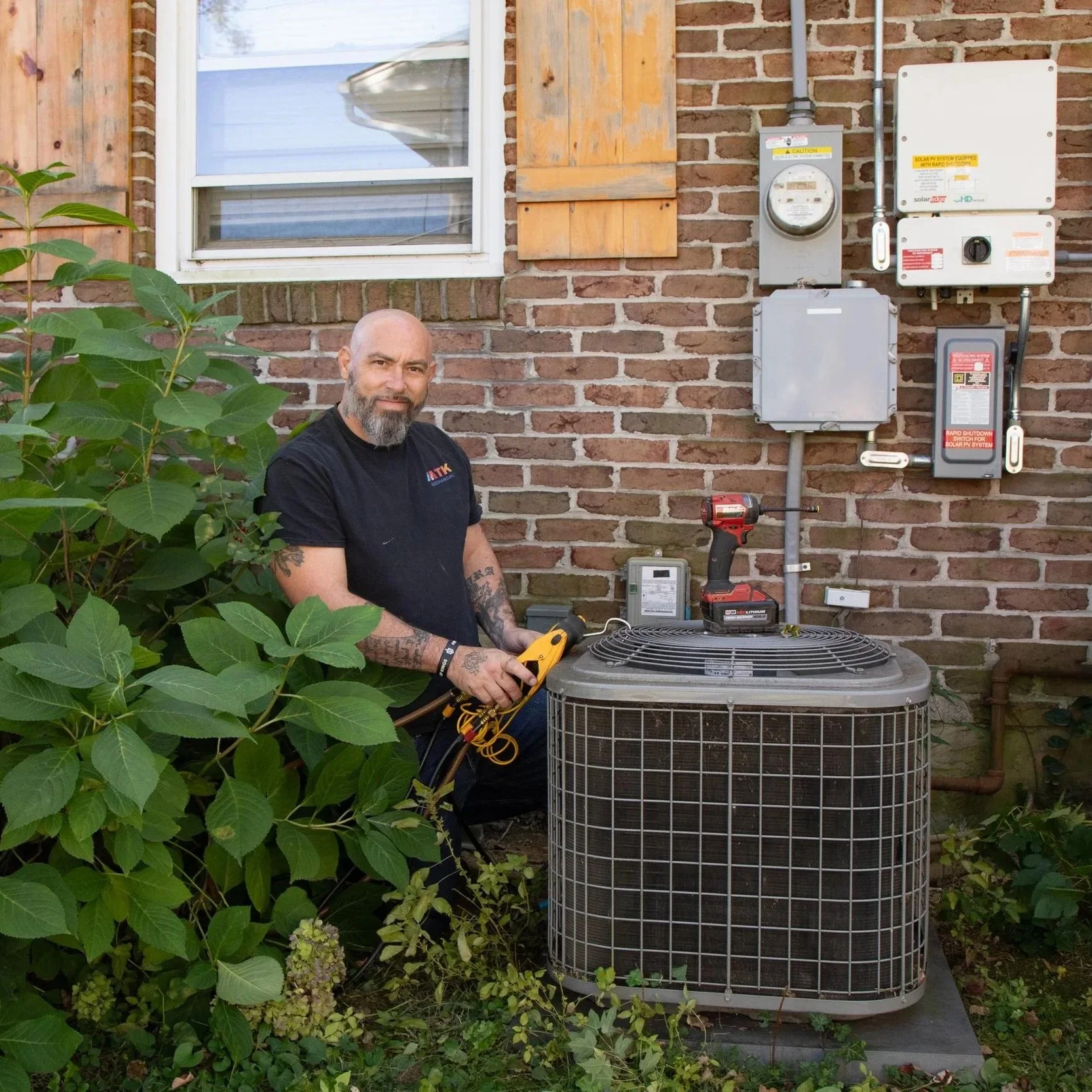
HVAC filters capture large particles while purifiers target finer irritants.
Understanding Why Indoor Air Myths Spread In Lancaster Homes
Indoor air myths often grow from partial truths. Many homeowners believe purifiers instantly clean every corner of the house. A single purifier can handle multiple floors. Some assume all filters are interchangeable. Professional services help clarify how filtration works over time rather than instantly. Air quality improves gradually as the purifier cycles air through its HEPA filter, trapping particles that would otherwise circulate through the home.
Lancaster weather also shapes these myths. When temperatures drop, homes stay closed longer, allowing stale air and contaminants to collect. During spring, pollen enters the home through open doors or on clothing. Seasonal cycles make some homeowners think air purifiers work only during allergy months, even though indoor air quality needs attention throughout the year. Technicians explain how seasonal airflow affects particle buildup and why a year-round purification plan supports healthier air.
Why HEPA Technology Matters More Than Marketing Labels
Many homeowners look for an air purifier based on brand or online reviews, believing any unit labeled HEPA performs the same. Not all filters are created equal. True HEPA technology captures tiny particles that standard or loosely defined filters cannot trap. The tighter weave of a true HEPA filter helps remove allergens more effectively, making a noticeable difference for families dealing with dust or seasonal irritation.
Professionals help identify whether a purifier uses real HEPA filtration or a less effective alternative. Some filters with familiar labels reduce only large particles. Others clog quickly or allow bypass air to escape around the filter. A true HEPA filter, when properly installed in a well-designed purifier, supports reliable, long-term filtration. Professional guidance removes the confusion that often leads homeowners toward ineffective or oversized purifiers that fail to improve air quality.
How Air Purifiers Complement HVAC Filtration
A common myth suggests that HVAC filters alone can handle indoor air quality concerns. HVAC filters protect the system from debris, but they rarely capture the smallest particles responsible for allergies and breathing discomfort. Air purifiers and HEPA filtration systems fill that gap by targeting microscopic particles that slip through standard HVAC filters.
Technicians evaluate the HVAC system to determine whether advanced filtration options can be added directly to the equipment. Some systems support upgraded filtration. Others require standalone purifiers to avoid strain. When purifiers work alongside the HVAC system, homes gain strong, layered protection that reduces airborne irritants throughout the day.
Why Placement Influences Performance
A frequent misconception suggests that an air purifier works anywhere in the room. Placement plays a major role in filtration success. Purifiers placed behind furniture, in corners, or near airflow obstacles struggle to cycle air efficiently. Incorrect placement limits performance and allows particles to remain suspended in the room.
Professionals help homeowners adjust purifier usage based on seasonal needs. During high pollen months, purifiers may run more frequently to control allergen buildup. In winter, purification helps remove indoor contaminants from cooking, heating, and daily activities. A seasonal plan supports healthier air as weather patterns change.
Seasonal Air Quality Challenges In Lancaster Homes
Lancaster experiences unique seasonal shifts that impact indoor air quality. Spring introduces a surge of pollen. Summer brings humidity that encourages mold growth. Fall releases seasonal allergens. Winter traps indoor particles inside with less ventilation. Air purifiers and HEPA filtration systems help manage these conditions by removing irritants that enter the home during daily activity.
Professionals help homeowners adjust purifier usage based on seasonal needs. During high pollen months, purifiers may run more frequently to control allergen buildup. In winter, purification helps remove indoor contaminants that come from cooking, heating, and daily routines. A seasonal plan supports healthier air throughout changing weather patterns.
Understanding Purifier Size And Why It Matters
Another common myth suggests that any purifier works for any room. Purifier size determines how well the unit handles the space. A purifier too small cannot cycle enough air to reduce particle levels. A purifier that is too large wastes energy without improving comfort. Professionals calculate room size, ceiling height, and airflow patterns to recommend a purifier that best fits the home’s needs.
Correct sizing matters even more in homes with open layouts or high ceilings. Large rooms require purifiers that handle higher air volumes, while smaller bedrooms need compact units that run quietly and efficiently. Professional services eliminate the guesswork by matching purifier performance with real-world room conditions.
How HEPA Filtration Supports Allergy Relief
HEPA filtration systems help reduce allergy symptoms by capturing pollen, dust mites, and pet dander that often recirculate indoors. Homeowners sometimes expect immediate relief, leading to misconceptions about performance. Filtration improves air quality gradually as the purifier cycles air repeatedly through the filter. Over time, irritants decrease and breathing becomes easier.
Technicians explain how airflow influences allergy relief. A purifier with strong circulation pulls air from across the room rather than filtering only the air immediately around the unit. Placement, filter quality, and proper sizing all contribute to better results for allergy-sensitive households.
Debunking The Myth That Purifiers Remove All Odors
Some homeowners assume air purifiers remove every odor in the home. HEPA filters capture particles, not gases. They help reduce odors caused by particle-based smells, but they do not neutralize every scent. Professionals recommend purifiers with activated carbon filters when odor control becomes a priority. Carbon helps absorb odors from cooking, pets, and seasonal humidity.
Professionals also help homeowners identify when a purifier cannot solve the issue alone. Indoor odors caused by mold, trapped moisture, or HVAC problems require targeted solutions from trained technicians. Purifiers support comfort but do not replace system maintenance.
Why Maintenance Myths Create Confusion
Another misconception suggests filters last indefinitely. HEPA filters collect microscopic debris, and over time, that buildup reduces airflow. A clogged filter cannot trap particles effectively. Professional services help homeowners build a maintenance schedule that matches home use, seasonal cycles, and family activity levels.
Lancaster families with pets, allergies, or high foot traffic often need more frequent filter changes. Homes that stay closed most of the year benefit from regular checks to prevent stale air. A predictable maintenance plan keeps filters working at full capacity and prevents performance decline.
Combining Purifiers And HVAC Filtration For Healthier Indoor Air
Air purifiers work best when part of a broader indoor air quality strategy. A combination of HVAC filtration and room-based purifiers reduces contaminants more effectively across the entire house. HVAC filters capture large particles while purifiers target finer irritants. Together, they help keep air clean in high-use rooms like living areas and bedrooms.
Professional evaluations help families decide where purifiers offer the greatest benefit. A living room with heavy activity may need continuous filtration. Bedrooms often benefit from quiet purifiers to support nighttime breathing comfort. Technicians help households create a plan that matches their lifestyle and indoor air priorities.
Creating A Home Filtration Plan That Fits Lancaster Living
Homes in Lancaster differ in age, structure, and layout, which influences how indoor air moves. Older homes may have drafty areas that introduce outdoor allergens. Newer homes may trap more indoor contaminants due to tighter construction. A professional air purification plan tailors filtration solutions to each home’s specific conditions.
Professionals review airflow patterns, room sizes, HVAC design, and seasonal factors before building a filtration plan. A customized approach removes the guesswork and supports long-term indoor comfort. Families breathe easier knowing their purifiers and filtration systems work correctly rather than hoping household myths will offer real results.
Why Professional Guidance Protects Indoor Air Long-Term
Long term indoor air quality improves when systems run efficiently and receive regular care. Professionals monitor purifier performance, replace filters on schedule, and check airflow to prevent unexpected issues. A consistent support plan helps maintain cleaner air even as seasons change and daily routines shift.
Lancaster homeowners value professional support because indoor air quality challenges rarely disappear entirely. They evolve throughout the year. A knowledgeable technician stays ahead of these changes and helps families adapt their filtration strategies with clarity and confidence.
FAQs
How many purifiers should a typical Lancaster home use?
Most homes benefit from one purifier per key living area. A technician evaluates the layout to recommend ideal placement for strong filtration results.
Do air purifiers work during winter?
Air purifiers help remove indoor particles that build up when homes stay closed in winter. Continuous filtration helps keep the air fresher throughout the season.
Are HEPA filters better than standard HVAC filters?
HEPA filters capture smaller particles than standard HVAC filters. A technician determines whether the HVAC system can support advanced filtration.
Can I place a purifier anywhere in the room?
Purifiers need open space and steady airflow to work well. Professionals suggest placing them away from corners, furniture, or vents for best performance.
Do purifiers eliminate household odors?
Purifiers with carbon filters reduce certain odors, but HEPA filtration alone does not remove gases. Professionals recommend solutions based on the odor source.
